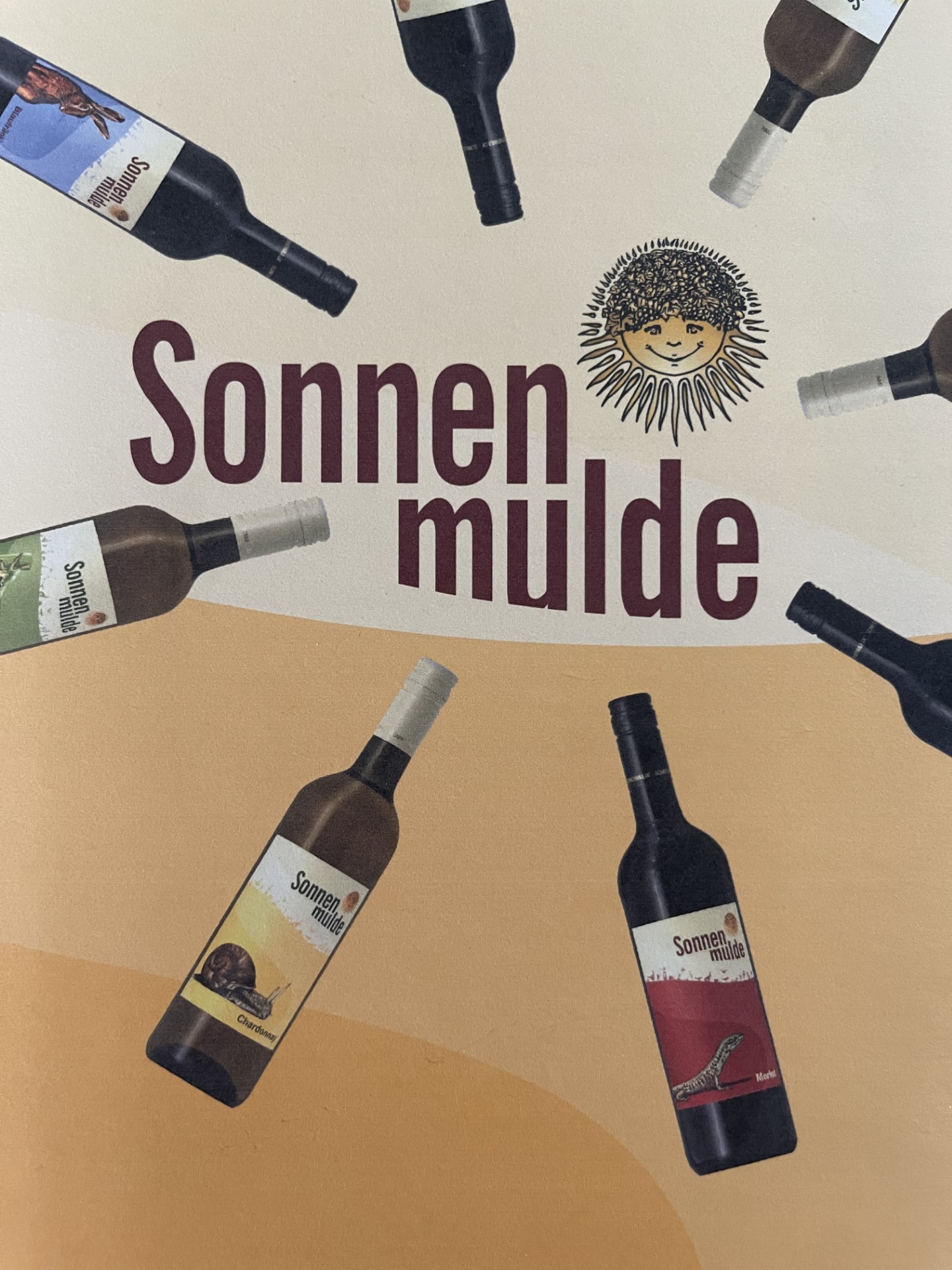
There is something wildly enticing about Austrian wines. Maybe it is the promise of mountain air and its mystical freshness, which probably gets into the soul, too. At Sonnenmulde, the mountains are always in sight. The family winery is about as far east as one can travel in Austria, a scenic jaunt from the Hungarian border and about sixty-five clicks southeast of Vienna. The town of Gols, on the warm eastern shore of Lake Neusiedl (Eastern Europe’s largest inland steppe lake), has a formidable reputation for peerless wine. Vineyards sit on the edge of the Parndorfer Platte, a large gravel terrace formed during the Ice Age that is a gift to viticulturists.
Sonnenmulde, which literally means ‘Sunny Hollow’, is run by the Schreiner family. Just exactly how long they have been making wine in Gols is anyone’s guess: such is the synergy of vines and soil that they genuinely do not know. ‘A long time,’ says the boss, Kathrin Schreiner (who manages the estate alongside her brother, Andreas), ‘and certainly over 150 years.’ This is not an area free from erratic weather, but in the best years, the heavens align.
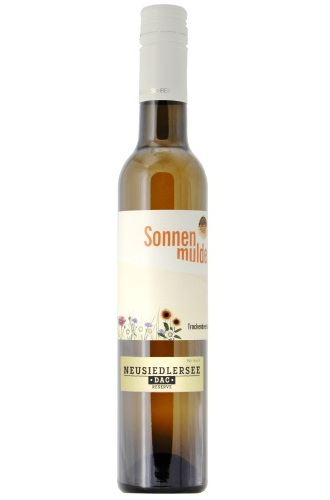
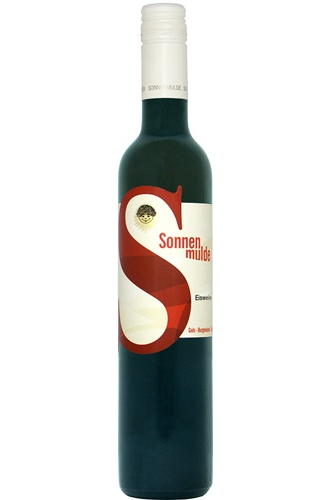
Neusiedler late harvest wines are legendary. The lake’s abundance of water absorbs heat during the day and slowly releases it during the small hours, lending remarkable consistency to the mesoclimate. Daytime temperatures are warm though rarely excessive, and a long growing season is standard. Morning mists blow off the lake in early autumn, creating a humid environment that encourages the development of noble rot. Grapes shrivel, although the rot remains beneficial providing the weather dries up. It causes microscopic breaches of the skin, allowing some water to evaporate and sugars to concentrate. The result is eye-poppingly sweet but insanely well balanced wines like Sonnenmulde Sämling Trockenbeerenauslese (that last word is German for late harvest. Trocken-beeren-owss-leser). Every now and then, although with less regularity then in the past, the weather will also drop off a cliff very late in the season – hallowed conditions for Eiswein, made in minute quantities.
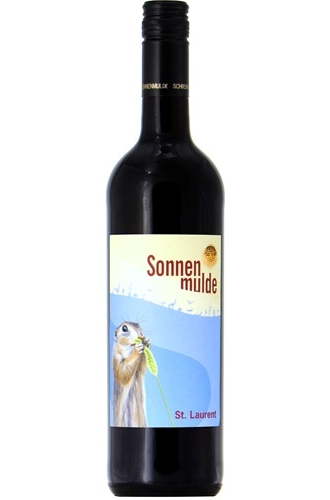
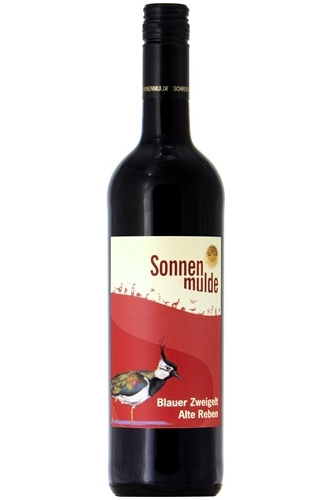
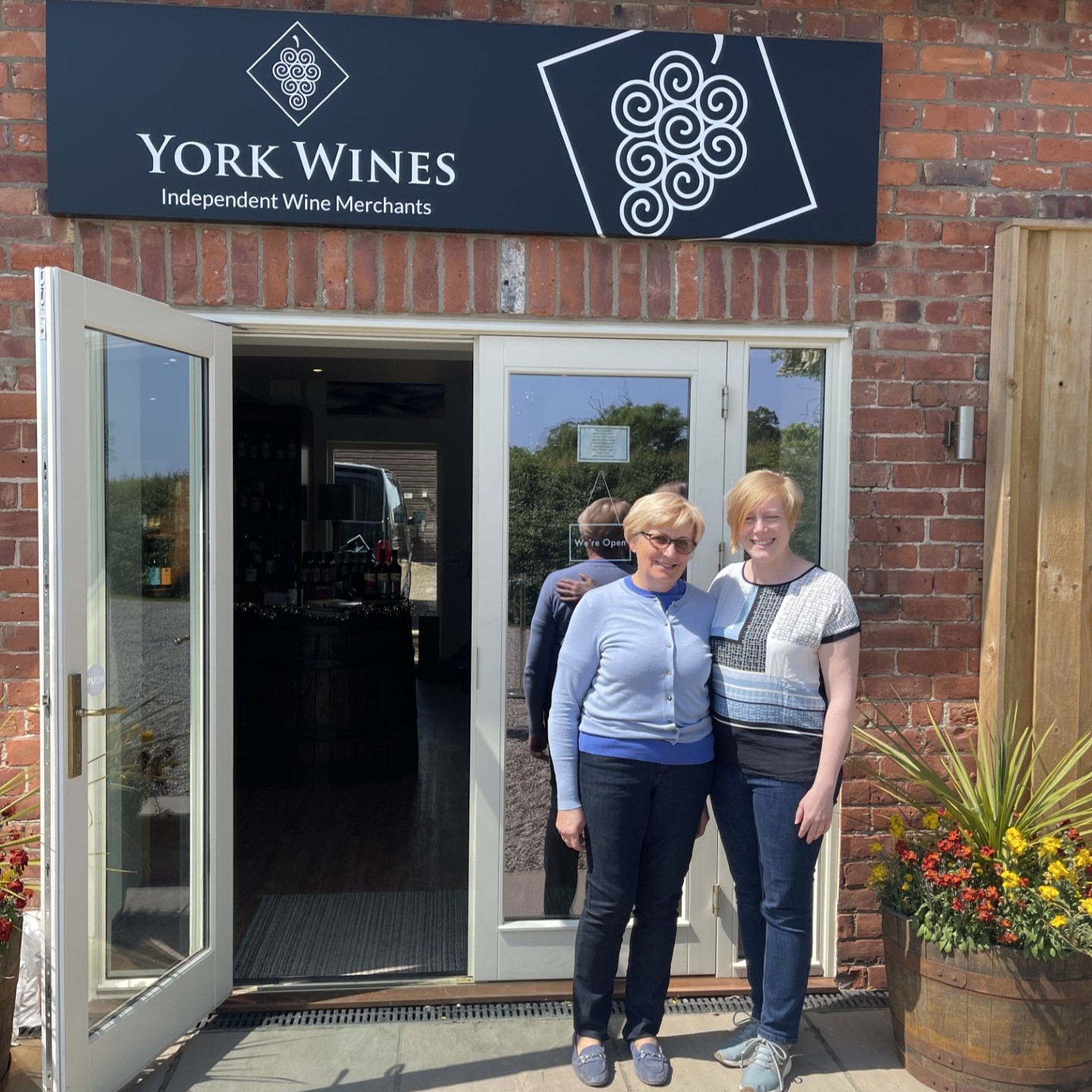
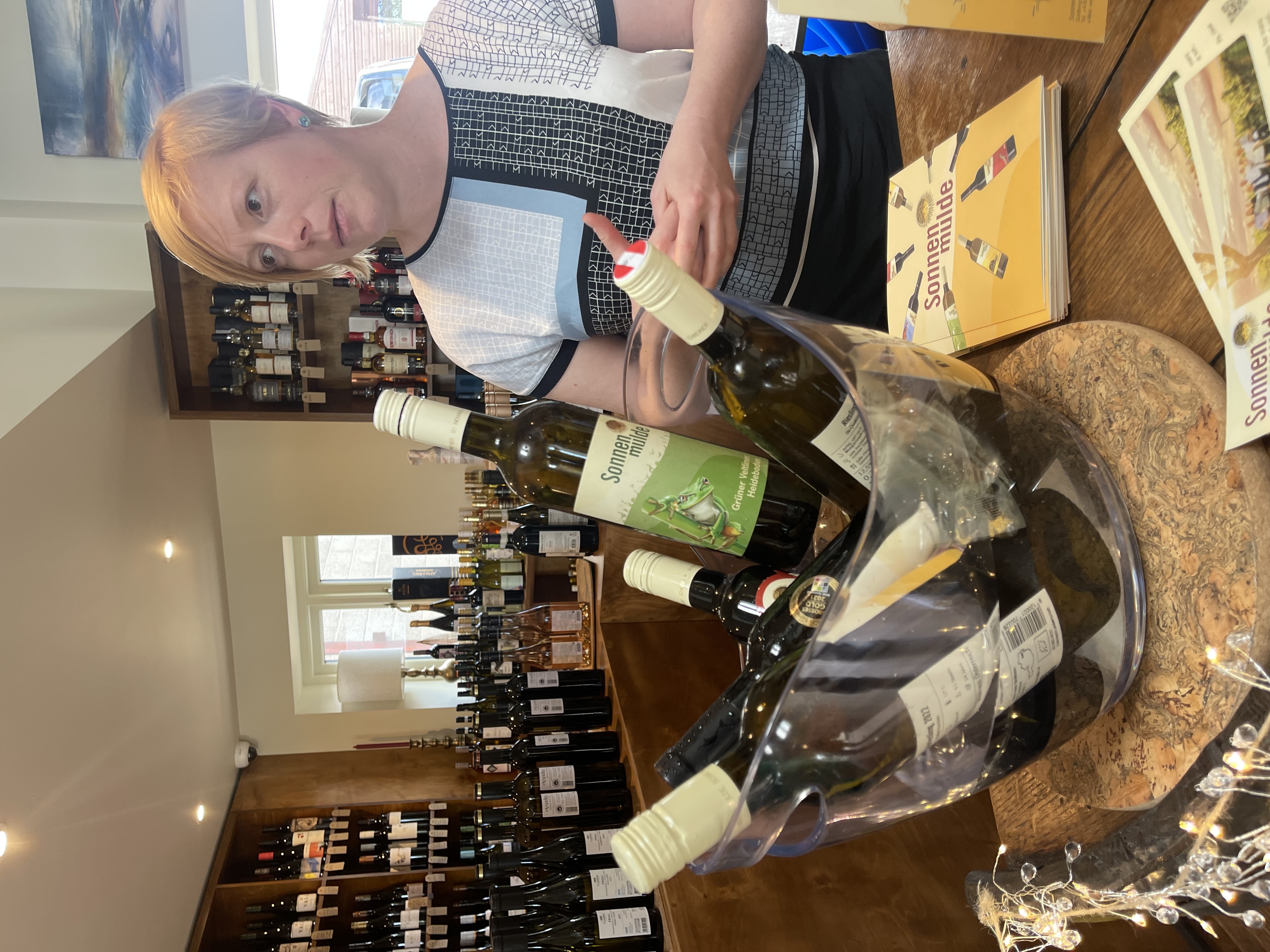 The Schreiners are supremely diligent across the styles. ‘We’ve a few years’ experience,’ says Kathrin, nudging her beloved mother, Renate, with a cheeky smile. Humidity is not omnipresent, and there are plenty of drier areas with beneficial light breezes where red grapes shine. The rounded, sour cherry-tinged Sonnenmulde Blauer Zweigelt alte reben is a must for anyone wondering about the sapid, juicy side of Austrian winemaking.
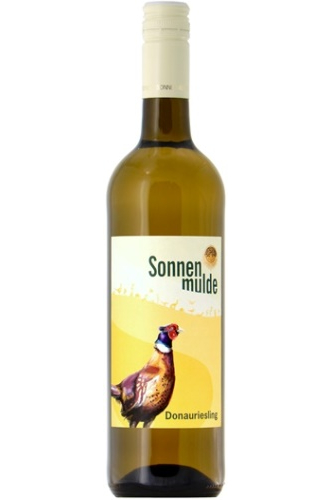
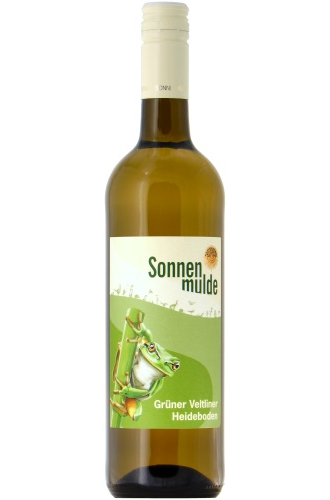
Whites find their apogee on the alpine-sounding Heideboden, a strip of gravel soils alternating with deep, calcareous, cool terrain near the northeast corner of the lake. This is the source of Sonnenmulde’s fabulously lean and spritely Grüner Veltliner Heideboden. For those who do not know Grüner, it is Austria’s white tour de force, incredibly versatile and certainly best known in this stripped back, greenish, slightly peppery guise. The warmer spots of the Heideboden favour the wonderfully refined red, Blaufränkisch (Blough-frenk-keesh) and the novel, sassy upstart, Donauriesling. Well, you heard it here. Sonnenmulde Donauriesling is a cross between Riesling and the rather staid sounding Freiburg 589 – 54, fashioned locally at Klosterneuburg in 1978. Hardy, it shares many similarities with the big R, including tasting delicious when vinified off-dry. It is taut, with white nectarine and sherbet lemon flavours and goes down (in all candour) very easily. It would pair with a Waldorf salad or prosciutto and melon.
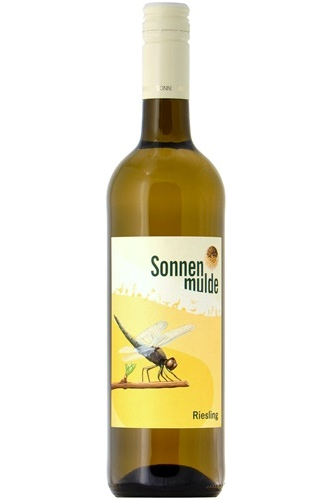
Sonnenmulde’s labels show a measure of consistency. There is a tree frog; a pheasant; a dragonfly. Lest it be unclear, the Schreiners place great emphasis on protecting biodiversity. Part of the Seewinkel national park, Lake Neusiedl is a UNESCO World Heritage Site for the way in which it demonstrates human interaction with nature, and, equally, is exceptionally rich in wildlife: the bird population alone represents around forty percent of the European and eighty percent of all Austrian species. It is against this backdrop that the family took the plunge, going fully organic in 2007. Initially a risk for the crop, it proved a sensible choice once the gears started spinning. ‘Pesticides contaminate the environment and can even end up in the wine,’ Kathrin says. ‘It is no secret that only a healthy environment can support healthy vines that, in turn, yield high-quality grapes ... We believe that the best results are obtained from combining the modern and traditional; we call our philosophy ‘Tradinnovation’.’ Tradinnovation! An impish word with a mantle of seriousness. It suits. For winemaking, the Schreiners rely on natural yeasts and, for their reds, make steady use of neutral, older barrels that let the wine do the talking. Sure, this is perhaps how it has always been done, but a conscious choice must be made. Organic viticulture plays its part, and the alpine freshness creeps in.
Kathrin and Andreas are young. They will produce many more terrific bottles (with a little help from their parents). Theirs are super approachable, original wines that do not cost the earth.
 Sonnenmulde Key Stats
Meaning: Sunny Hollow
Proprietors: The Schreiner family
Founded: Possibly before the dawn of time
Location: Gols, Lake Neusiedl (Burgenland)
Grape varieties: Grüner Veltliner, Riesling, Donauriesling, Sämling, Welschrieling (white); Blauer Zweigelt, Blaufränkisch (red) + others
Organic: Yes
Vegan: Yes